It is not often that I am relieved when we have to curtail a session due to adverse weather, but today came pretty close. As our last visit to Red Lodge on the 28th November resulted in two of us catching 103 birds in just 4 nets, totalling just 57m of net. 69 0f those were Blue Tits. I wouldn’t have enjoyed a repeat!
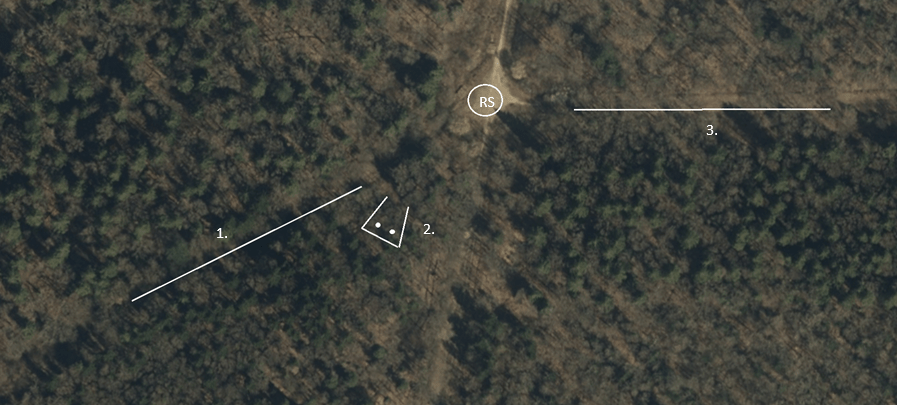
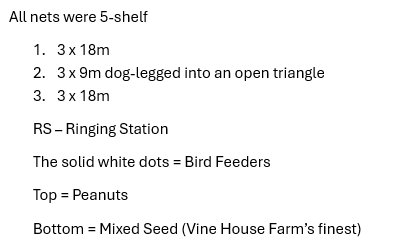
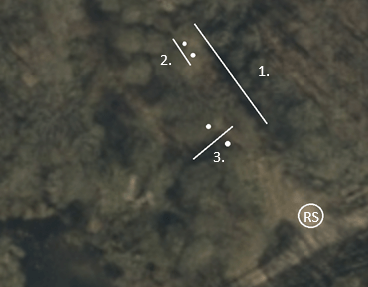
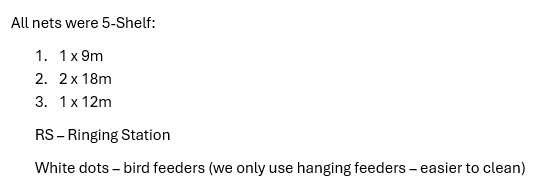
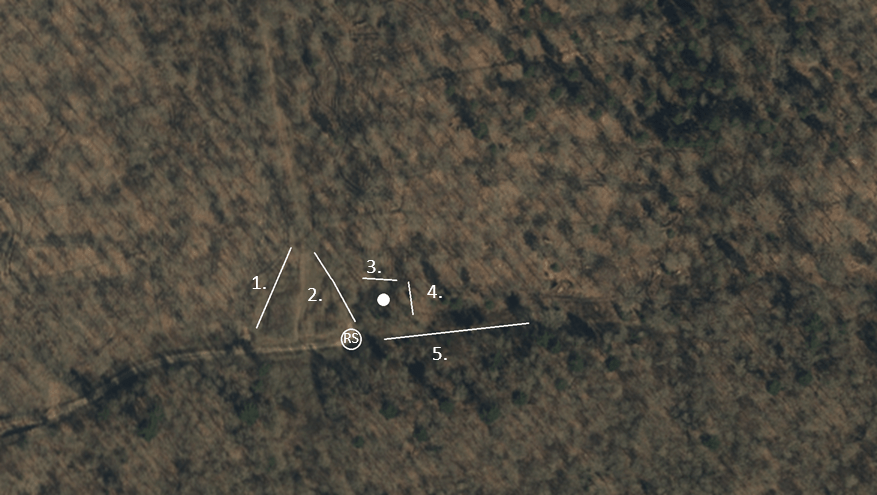
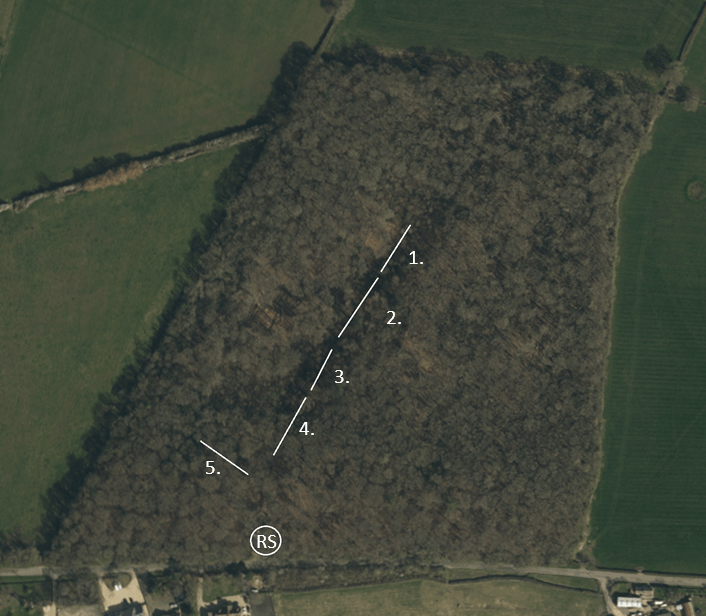
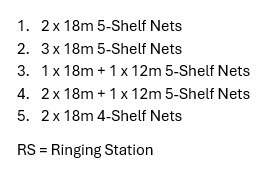
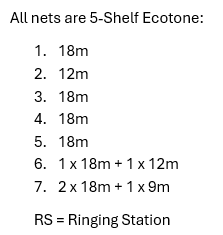
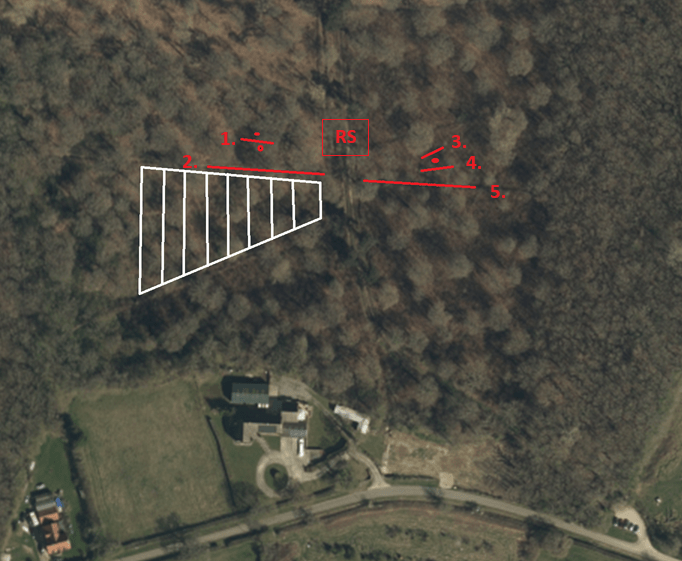
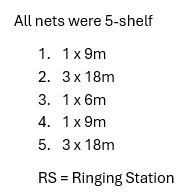
Having been away in County Durham, Kinross and north of Aberdeen for the last 10 days, much as it was a pleasure spending time with long standing friends and family, waking up to see Red Squirrels outside the window, and as much as I enjoyed breakfast rolls with sausage and haggis, I was just pleased to get out ringing again. The forecast for the session was for it to be dry until 11:00! I think you all know what I think of weather forecasts: this was no better. It started spitting with rain at 9:30 and by 10:15 everything we decided to empty and close the nets as we went, because we were all getting wet. I was joined by Laura and Pete for the session. We met up at 7:00 to set the nets, to ensure we got a couple of hours in before the rain started. The nets we set were the same as last time, plus two additional 18m nets along the main path. The two additional nets were very unproductive: just five birds caught, but one was my personal star bird of the morning, more of which later.
Having been away I didn’t get to top up the bird feeders until yesterday morning but, just like on the last session, the feeding station nearest our ringing station had attracted plenty of action: the seed feeder having been reduced by one-third and the peanut feeder by three-quarters. The feeding station further away showed very little sign of activity and, just like last time, the nets nearest them were the absolute busiest.
As with last time, the catch was mainly Blue Tit, but a smaller collection of Great Tits, this time. Blue Tits must have had one heck of a good breeding seas0n this year: in the last two sessions in Red Lodge we have ringed 101 juveniles and 11 adults! I know some ringers don’t ring Blue Tits, because of the volume but, then, at one time the BTO did not allow the ringing of House Sparrows, because they were so common, and we all know what happened with them!
We did catch a female Chaffinch, but her legs were crusty and diseased, so we let her go. Later, as we were shutting the nets, I extracted one that had nice clean legs and we were able to ring it.
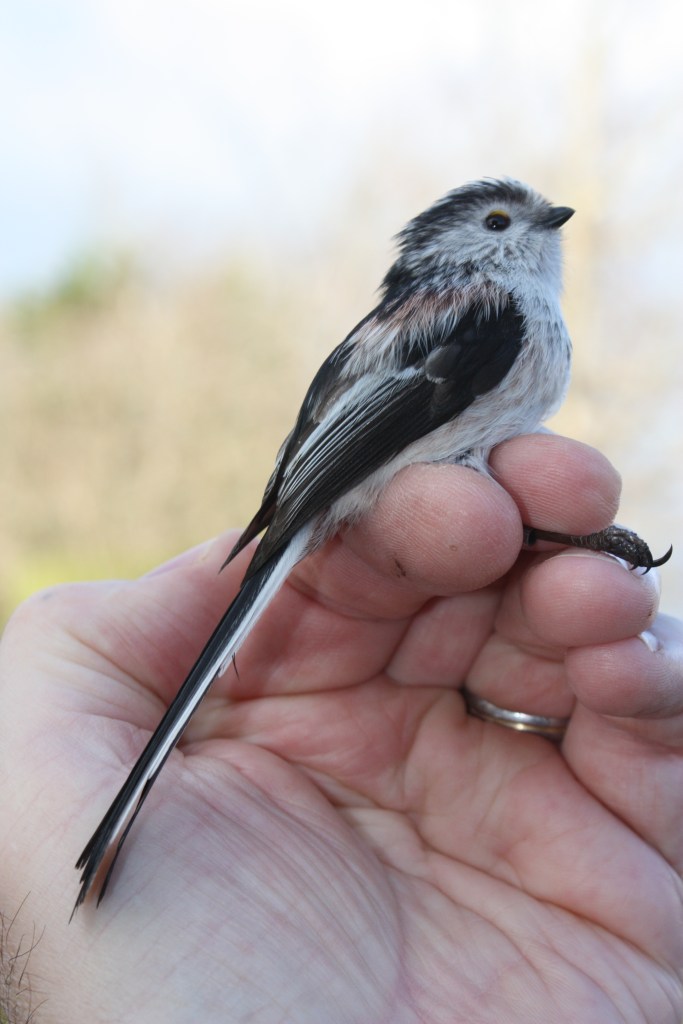
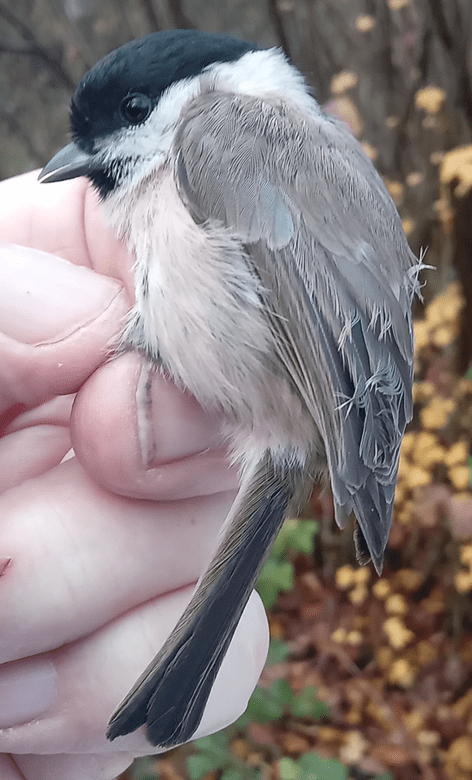
As mentioned, we started closing the nets at 10:15: emptying each and closing as we went. That left us with about 40 birds to process in the damp and miserable conditions. However, whilst Laura and Pete were extracting birds from the main nets, I went to check the nets on the central track. Up to this time they had only produced one bird: a new juvenile female Great Tit. However, this time I found another bird:
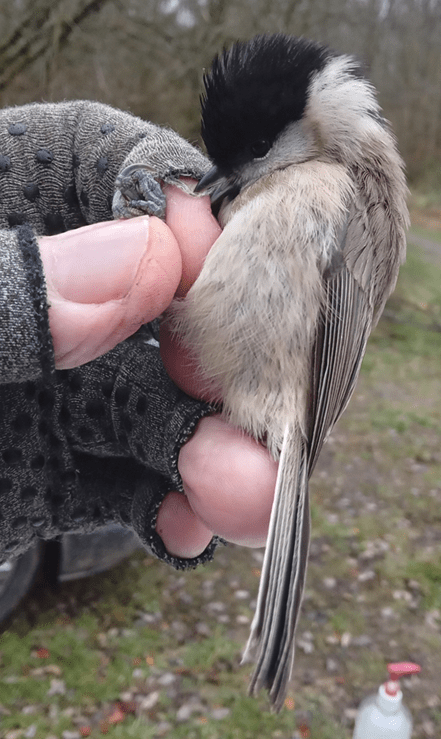
I am just astonished at what is happening with Marsh Tits in the Braydon Forest this year. We have ringed twice as many as we did in 2024 and ringed 10 more than we did in our previous best year: 2017! Where we will end up, I don’t know but we have sessions scheduled for Ravensroost Wood, Webb’s Wood, Somerford Common and the Firs before the end of the year. This is how it currently looks compared to previous years:

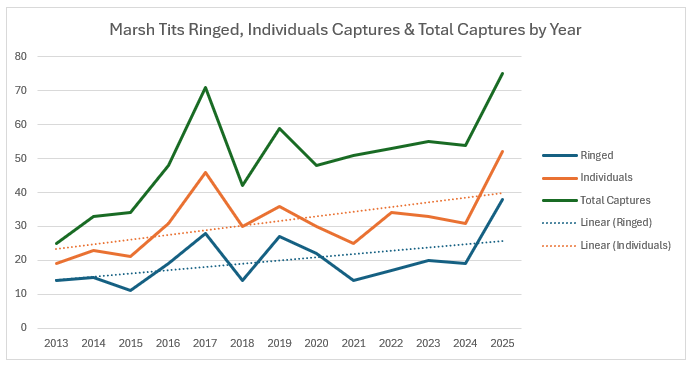
Interestingly, we also recaptured all four of the Marsh Tits we ringed in our last session in Red Lodge!
The list for the session was: Nuthatch 1(1); Blue Tit 46(9); Great Tit 2(6); Coal Tit 1(2); Marsh Tit 1(4); Goldcrest 1; Chaffinch 1. Totals: 53 ringed from 7 species and 22 birds retrapped from 5 species, making 75 birds processed from 7 species.
Once we had finished processing the birds it was close to 11:00 but with so few nets to take down we were away by 11:40: wet, cold but quite happy. When you look at it, we had the nets open and active for just over 2 hours and caught 75 birds (77 if you count the scaly-legged Chaffinch and the Dunnock that escaped when someone accidentally opened the pocket it was sat it). Our previous session produced 103 birds in four hours: that is a lot of birds this site is producing. Ironically, the local community, all of whom feed birds in their gardens, aren’t seeing lots if titmice on their feeders, but do mention the large numbers of Goldfinch they have, and how Greenfinch and Chaffinch numbers have started to recover: just like my garden really! Shame that we don’t catch more of them in our ringing area.

 Ringing In The Braydon Forest & Beyond